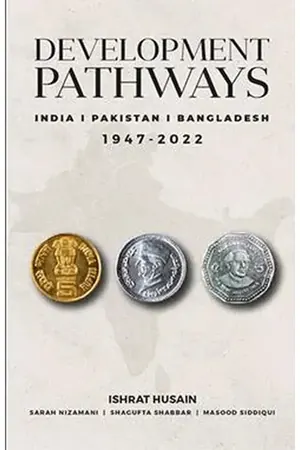
Development Pathways: India, Pakistan, Bangladesh 1947-2022
Only 1 left from this seller
Compare sellers
| Seller | Condition | Delivery | Price | |
|---|---|---|---|---|
R Readings Lahore | New | 2–5 days Courier paid on delivery | Rs 3,146Rs 3,495 |
More by Ishrat Husain
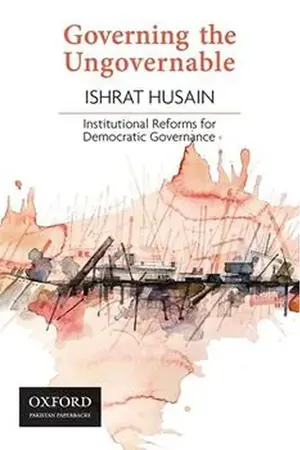
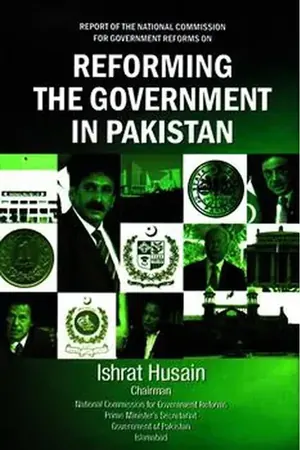
About Development Pathways: India, Pakistan, Bangladesh 1947-2022
Development Pathways presents evidence-based comparative analysis of economic and social developments in India, Pakistan and Bangladesh since they gained…
Development Pathways presents evidence-based comparative analysis of economic and social developments in India, Pakistan and Bangladesh since they gained independence in 1947. Pakistan was further subdivided in 1971 when Bangladesh became independent. In 1947 these countries were mired in poverty, illiteracy, poor health status, underemployment, and rudimentary infrastructure. There was tremendous pessimism about the future economic sustenance of these countries.
The development pathways adopted by each of these countries differed significantly but they each also went through paradigm shifts in their policies in the period 1990 onwards. All three countries started their journey with centrally planned state control of command heights of economy with Pakistan switching back and forth from liberalization, nationalization and once again liberalization. Institutional decay and frequent political changes brought about a major shift from a fast growing economy in the first forty years to becoming a laggard in the recent thirty year period. India adhered to its initial model until 1991 when it abolished License Raj, opened up the economy to the private sector, and attracted Foreign Direct Investment. India has been recording growth rates of 6-7 percent since then.
Bangladesh also started its development journey by following a state-controlled model. However, political stability post 1990, continuity of economic policies across political regimes and liberalization widened the scope of the private sector and moved the growth trajectory significantly upwards.
This study identifies critical success factors, and the risks and pain points for steering the future direction of these economies. This book would be of interest to policy practitioners, opinion makers, academics and researchers, and the students of Development Studies as it takes a multidisciplinary approach rather than a narrow lens of economic analysis.
Book details
| Author | Ishrat Husain |
|---|---|
| Publisher | Liberty Publishing |
| Language | English |
| Pages | 469 |
| Format | Paperback |
| ISBN | 9786277626198 |
Ratings and reviews
No reviews yet. Reviews come only from customers who bought and received this book.